
How it works
How Talensa helps you turn fragmented HR solutions into a strategic and measurable talent lifecycle
Make better use of the talent already in-house, become less dependent on external recruitment and base personnel decisions less on gut feeling. With Talensa, your selection, promotion and development work from one shared standard, and development budget goes to what fits someone's aptitude.
“Talensa is a partner we trust completely, whether it concerns a selection or development question, an assessment or thinking along with us about our HR policy.”

Petra Hasselo
HR Manager
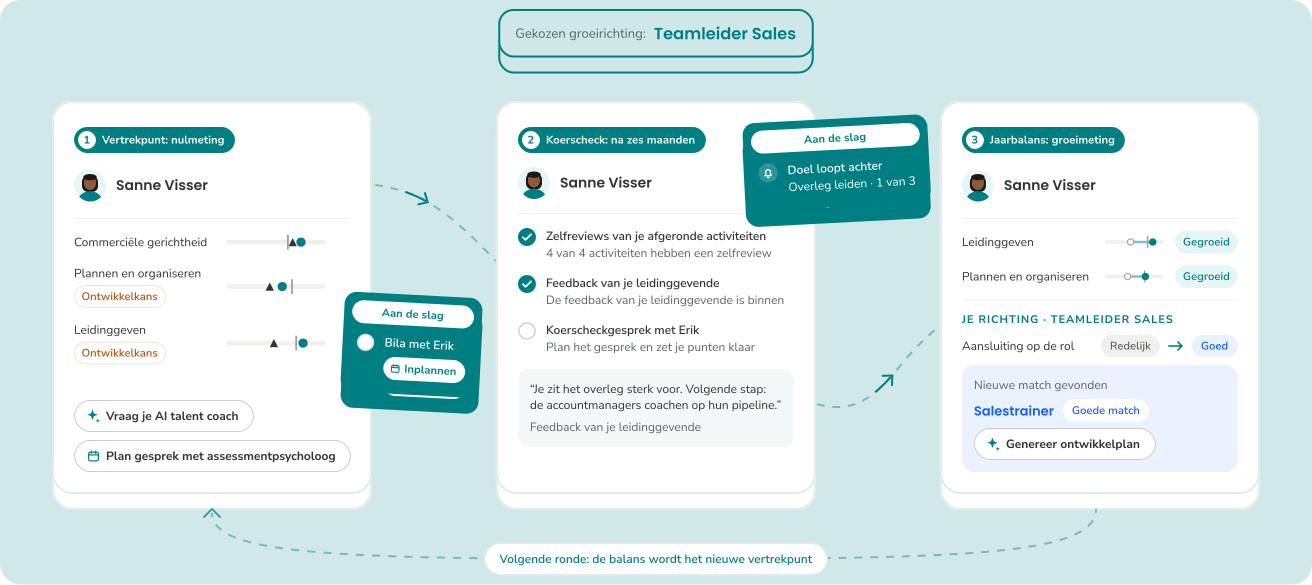
THE COMPLETE TALENT LIFECYCLE
This is what the opposite of stagnation, mis-hires and untapped talent looks like
With Talensa, you go through a five-step process that repeats every year. It starts with your job architecture. As soon as the first assessments are in, you can make matches between your talent pool and your jobs.
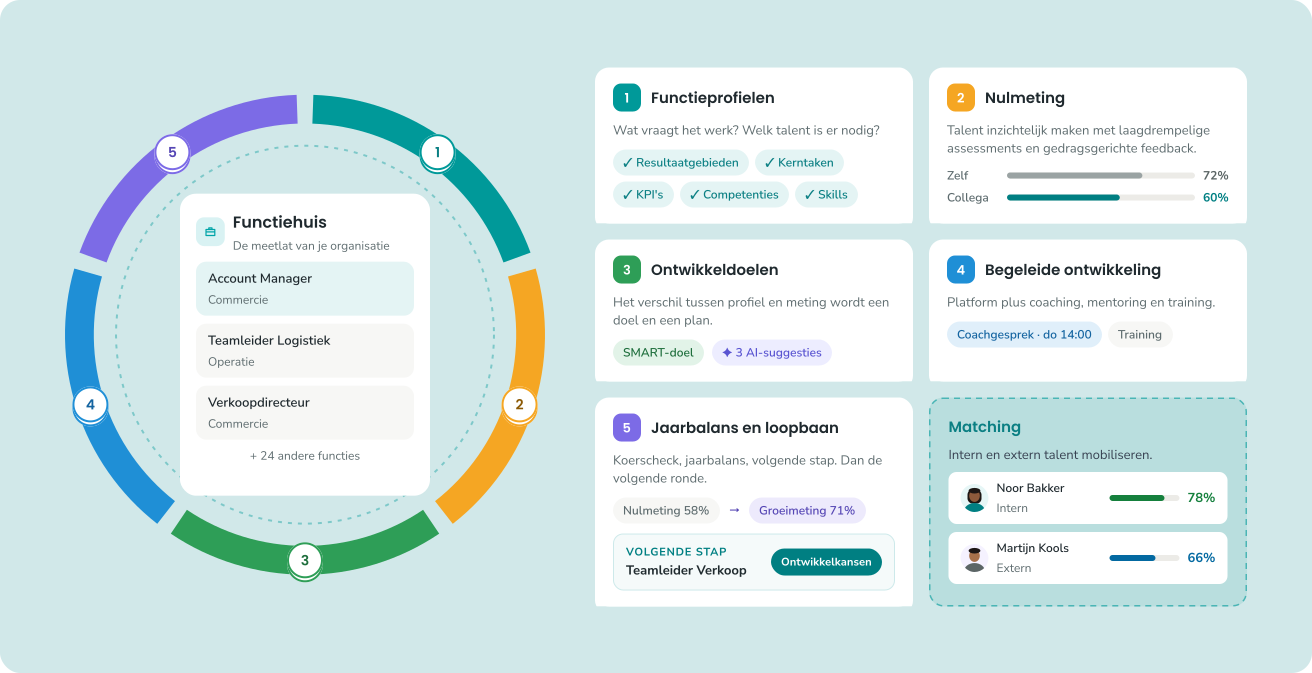
HOW IT WORKS
How to set up your talent lifecycle from A to Z, with help where needed
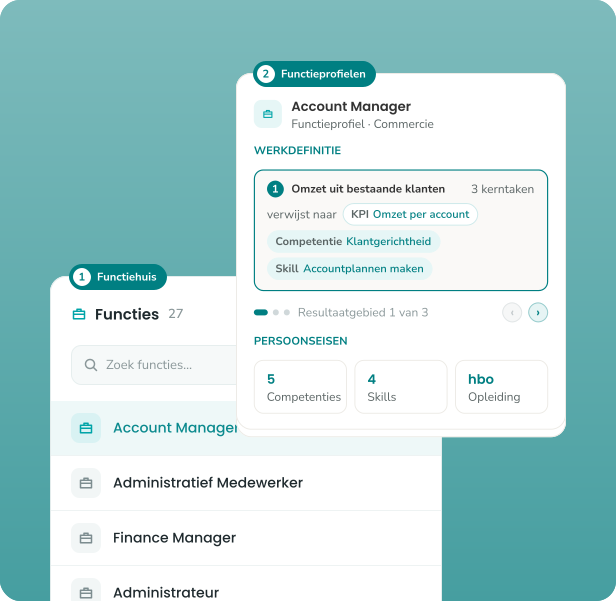
For each job, you first define the work: key result areas, core tasks and KPIs. Below that, what it requires of the person: competencies, skills and education. Is your job architecture in Excel or outdated? Then we'll bring it up to date together.
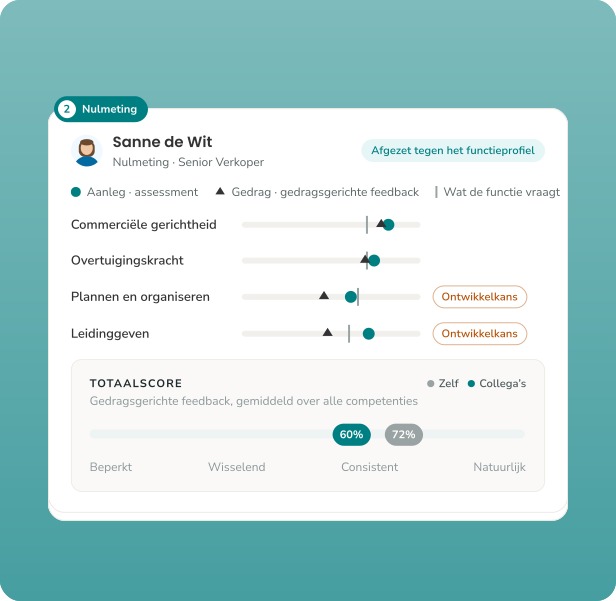
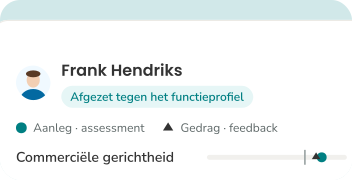
Evidence-based assessments and behavior-focused feedback, compared against your organization's job profiles. That way, you see aptitude and behavior side by side for each competency, and the development opportunity in between.
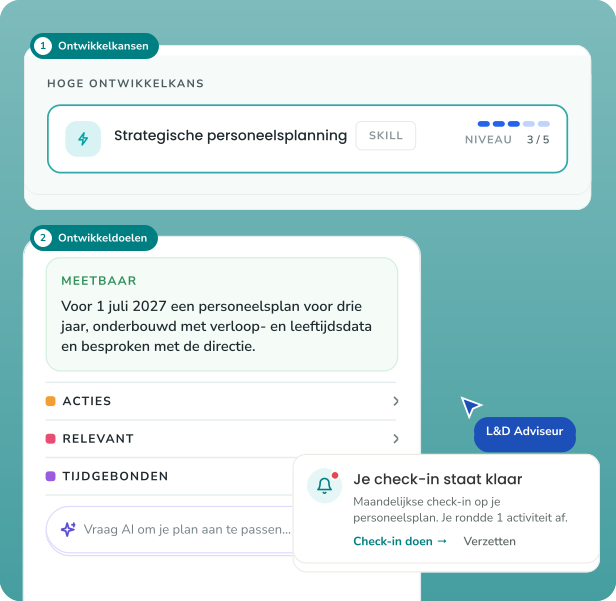
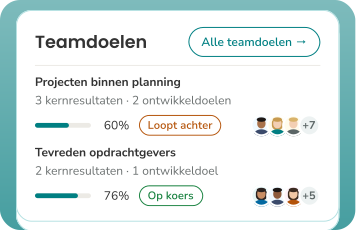
The gap analysis between what a job requires and where an employee stands, weighted by aptitude, reveals the development opportunities. From those opportunities, you directly set concrete development goals that together form a development plan. Work on this together with colleagues, talent coaches and AI.
Within the platform, you instantly generate suitable action items and set reminders. Managers and employees take on the execution together and can call on coaching, mentoring and training from a Talensa talent consultant where needed.
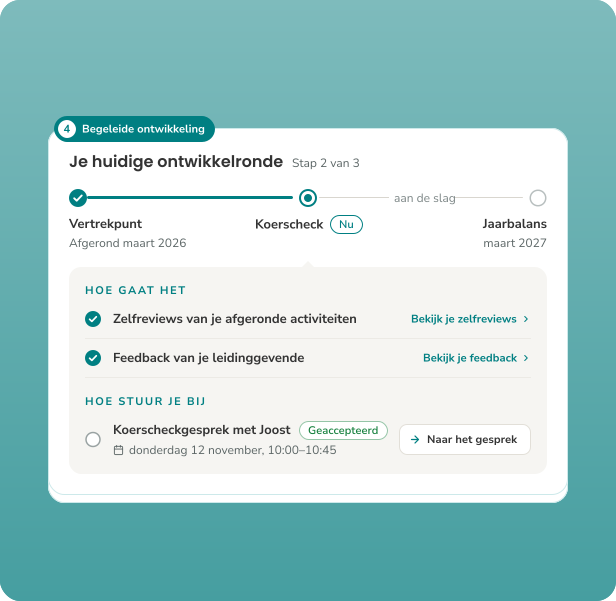
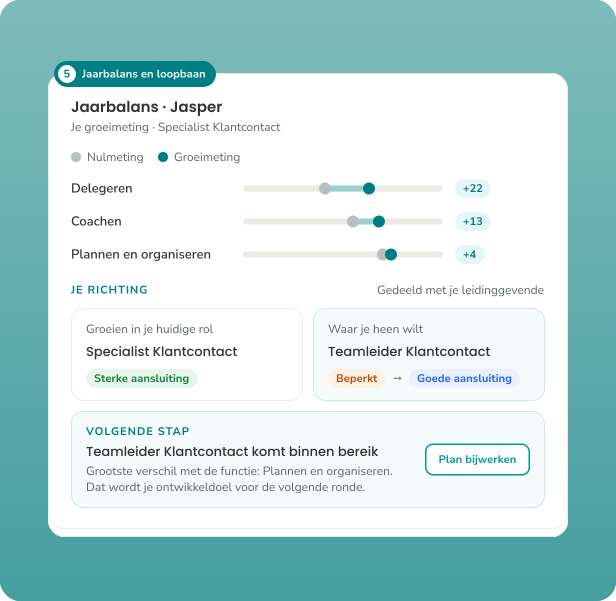
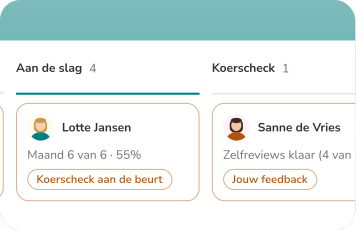
After the midway course check and the annual review with your growth measurement at the end, a new round begins. This makes the growth of your talent, and the time and money invested in it, measurable and continuous.
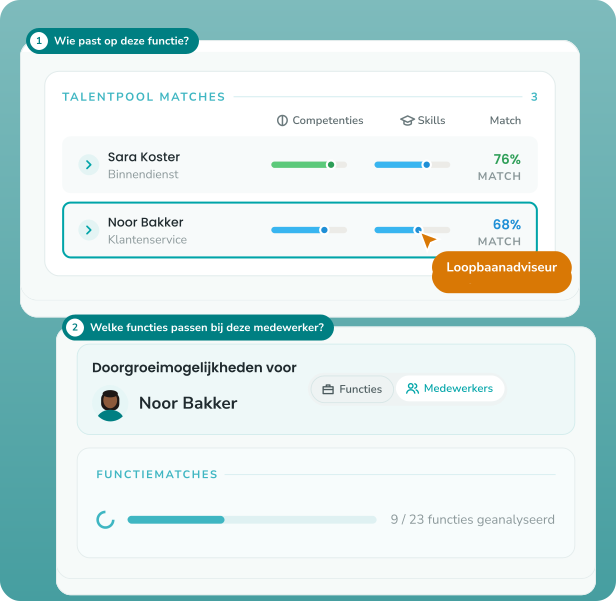
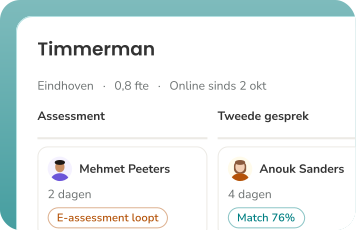
Once you have set the standard with a clear job architecture and the baseline measurements are in, you can compare people with jobs: for open roles, promotions and succession planning. That way, you can mobilize talent across the entire organization and deploy it in the right place.
ADDITIONAL SOLUTIONS AND SERVICES
All the tools and expertise to discover talent and help it develop
Software and advice for questions within and around the talent lifecycle.
Clean up and upgrade your job architecture
A Talensa consultant helps you clean up your existing job architecture and rebuild the profiles from key result areas, core tasks and KPIs.
ATS
Vacancies, applications and selection in the same platform as your job profiles. That way, you hold external candidates to the same bar as your own people.
Potential Program
Development programs for a group: employees nominated by their manager as potentials, or the management team itself.
Motivation and culture measurement
Gain insight into what matters to people in your organization with research into employee satisfaction, motivation and culture. Use the results as a baseline measurement and repeat the research at a later point to make developments visible.
OKR software
Set organizational goals and cascade them to teams and individual employees. This happens in the same environment as your job architecture and development goals.
Talensa Consulting
Talensa offers support with live assessments, coaching, advice and training. Our assessment psychologists and talent consultants help organizations where extra expertise or guidance is needed.
GETTING STARTED
Three ways to start investing in your talent lifecycle
You don't have to start with everything at once across the whole organization. Choose the entry point that fits the question that matters most right now, and experience the benefits on a small scale.
1. Individual e- or live assessments
Start with one-off measurements, for better choices around selection and promotion.


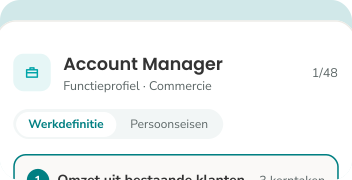
2. Update your job architecture
Lay the foundation that measurements, development plans and matches will later rest on.


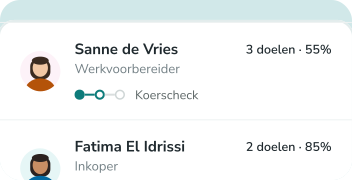
3. The Potential Program
Go through the full cycle with one group from the new generation, one team or the management team.


HOW MCB GOT STARTED
Where the collaboration with MCB began
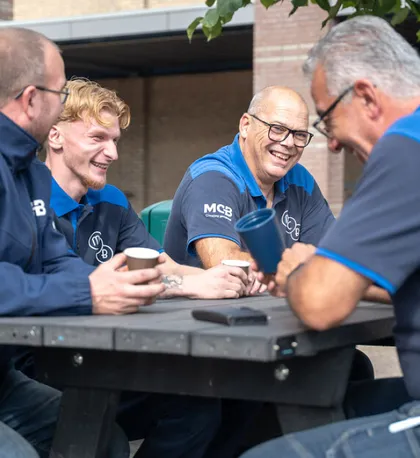

“The groups of employees from the new generation took the assessments and actually went through the entire development program in the Talensa hub as well. That really brought talent to the forefront of whom we think: this might even be the potential director of the future.”

Janneke van Stekelenburg
HR Manager, MCB
Frequently asked questions about the process
Questions about lead time, workload and sequence.
Contact usDo we have to do all five steps?−
No. You can start with one step, for example a baseline measurement or cleaning up the job architecture. Each step does work better once the job profiles are in place, because everything is measured against them.
How long does a full cycle take?−
A round lasts twelve months, with a course check after six months and the annual review with growth measurement at the end. Then the next round begins.
How much time does this cost our HR department?−
Most of the time goes into the start: setting up or cleaning up the job architecture, with support from AI or a Talensa talent consultant. After that, it actually saves time. Development conversations become the responsibility of managers, and employees draw up their development plan together with their manager and track progress themselves. HR stays in control without having to conduct every conversation.
Can we start at step two instead of step one?−
Yes. An assessment doesn't need a job architecture. If you want to carry the outcome through to development goals or matching, the job profiles come afterward.
What if our job architecture isn't in order?−
No problem. An outdated job architecture or profiles in Excel are a fine starting point. A Talensa consultant helps with updating it.
Do you provide the guidance yourselves, or do our own people?−
Both are possible. Talensa provides coaching, mentoring and training with its own consultants and coaches. Managers and HR also work in the same platform themselves, with the same development plans.
Every employee works all year on goals you can measure
The job architecture defines what a role requires, the measurement shows where someone stands and the development plan turns that into goals with a fixed measurement point. In 45 minutes, we show how that works for a question from your organization.